
That chilly forgotten basement under your house in Canton GA isn’t just for old boxes anymore. Think of it as a hidden room ready to turn into a cool guest suite, movie spot workout corner or kids’ hangout. Turn it from bare walls into real living space it beats adding on outside. You gain comfort plus boost what your place is worth all without changing the roofline.
Still fixing up a basement in North Georgia means careful prep especially dealing with dampness and sticking to area rules. This clear guide walks Canton residents through each must do phase starting with sealing out water then moving into layout picks so your updated spot stays dry, cozy and practical long term. Doing it properly now adds value later on.
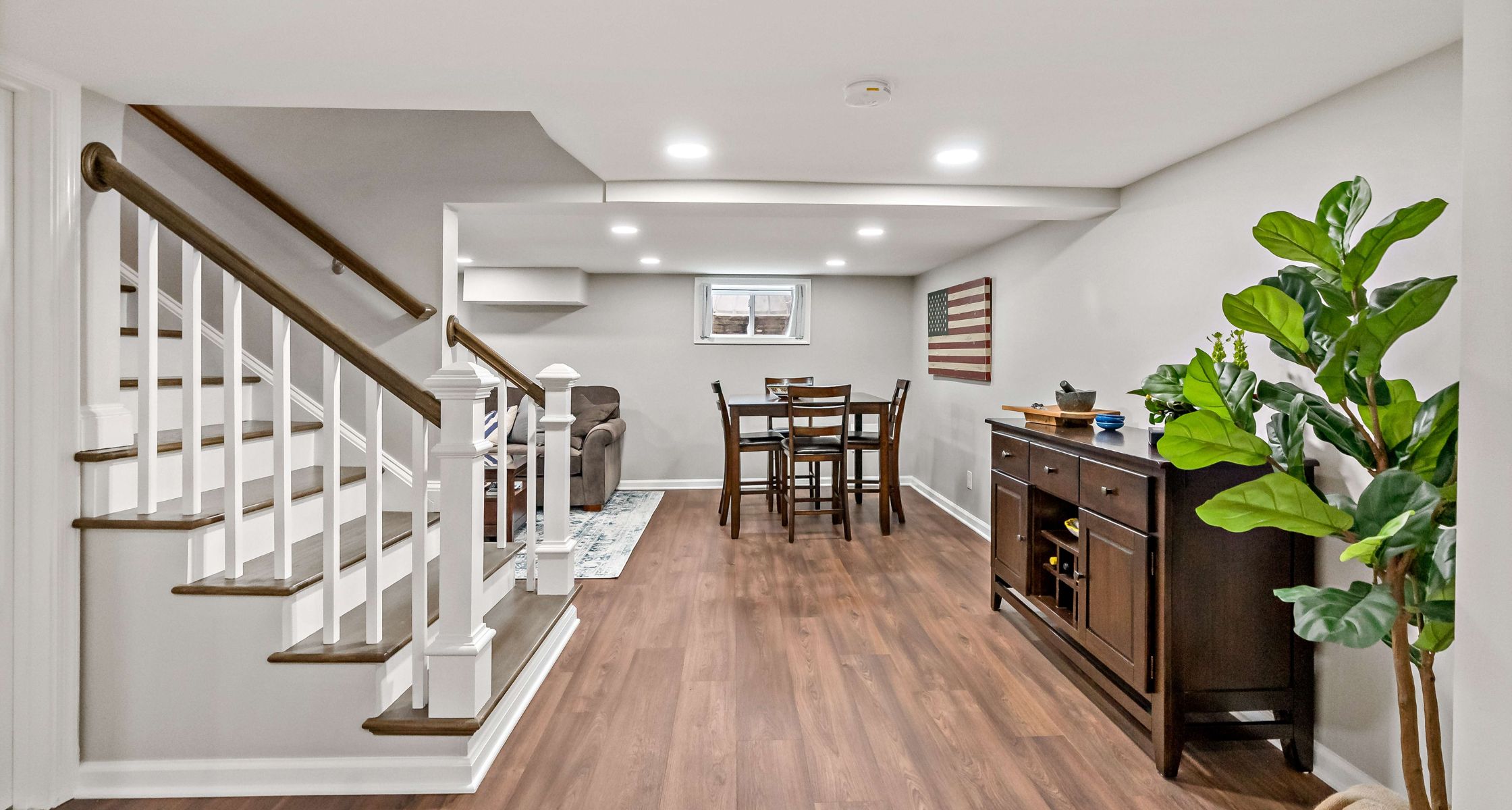
1. Initial Assessment and Planning for Canton Codes
First off, check how your basement looks right now along with the area’s guidelines. In Canton GA Cherokee County handles codes they’re tough when it comes to rewiring support upgrades or adding safety setups underground.
Look out for dampness; this matters more than anything else. Georgia basements often trap moisture or leak water. Spot clues such as a chalky film on walls that’s called efflorescence stale smells or puddles when it pours outside. Fix leaks and wet spots before putting up studs or wall panels. Fixing leaks could involve digging outside, adding indoor drains or just patching gaps. Skip it, your renovated space won’t last.
Make sure the ceiling’s tall enough Cherokee County rules often say at least 7 feet in living areas. Measure from the concrete up to whatever hangs lowest like pipes or beams. When it’s shorter than allowed, figure that into your layout; might mean digging out part of the floor.
A finished basement bedroom needs a big window you can crawl through if there’s a fire; this isn’t optional, it’s required by law. While adding one keep in mind that even unused basements usually need smoke alarms connected to the main home network.
Figure out your plan plus how much cash you’re ready to spend. What’s the room for games work or maybe a whole little place? Getting clear on the setup makes it easier to guess expenses for water lines wiring and heating upgrades. Toss in an extra 15–20% just in case stuff comes up rotten pipes, lumpy floors that kind of surprise.
2. Rough Construction Waterproofing and Mechanicals
This phase is about getting the area stable plus connecting key systems before putting in walls.
Get the floor and walls ready. Though concrete might seem dry it still lets out moisture. Use a correct underlayment on top of slabs this creates space for airflow, stops mold, adds warmth and gives a smooth base for your final floor layer. When building walls keep roughly one inch open between the fresh frame and the old concrete edge. That little separation keeps dampness from moving into wood avoiding decay later.
Fix up your basement by adding HVAC plumbing and electrical systems. Hook into your current heating and cooling setup to reach the lower level this keeps things comfy year round. In case the furnace or hot water tank sits down there, put it inside a framed space that’s easy to get at using special drywall that slows fires. Get all wires and pipes set in place before covering walls with sheetrock; inspections come first. Want a wet bar or extra bathroom? Be ready breaking through the floor slab for drains hikes time and price. Leave jobs like gas lines circuits and waste pipes to trained folks who carry valid licenses.
Good insulation keeps your home cozy plus saves power in Canton’s weather. Basement walls need insulating to follow area rules on energy use. Foam boards or sprayed in foam usually work smarter than old style fiberglass. Less trouble with dampness also blocks vapor more effectively.
3. Framing Drywall and Finishing Touches
Once the mechanics are set then you start shaping the final appearance.
Framing and Drywall Set up room frames doors and closet outlines just like your finalized layout shows. When the wood structure’s done, put up drywall pick one that resists dampness sort of like mold proof stuff particularly where pipes run or close to basement walls. Smooth joints need practice so get someone experienced to handle the finishing touches.
Put in all required inside doors then handle the exit window frame. Use baseboards crown molding or edge trims that fit how your house looks overall. Focusing on these small things shifts the basement from just functional to real everyday use.
Go for pale wall shades. They bounce around what little daylight you get down there. Use built in ceiling spots where they’re most needed. Mix up your lights: general glow from above focused beams on desks or counters plus small accent lamps to set a mood. A well lit room feels bigger. Strong illumination helps avoid that closed in basement vibe.
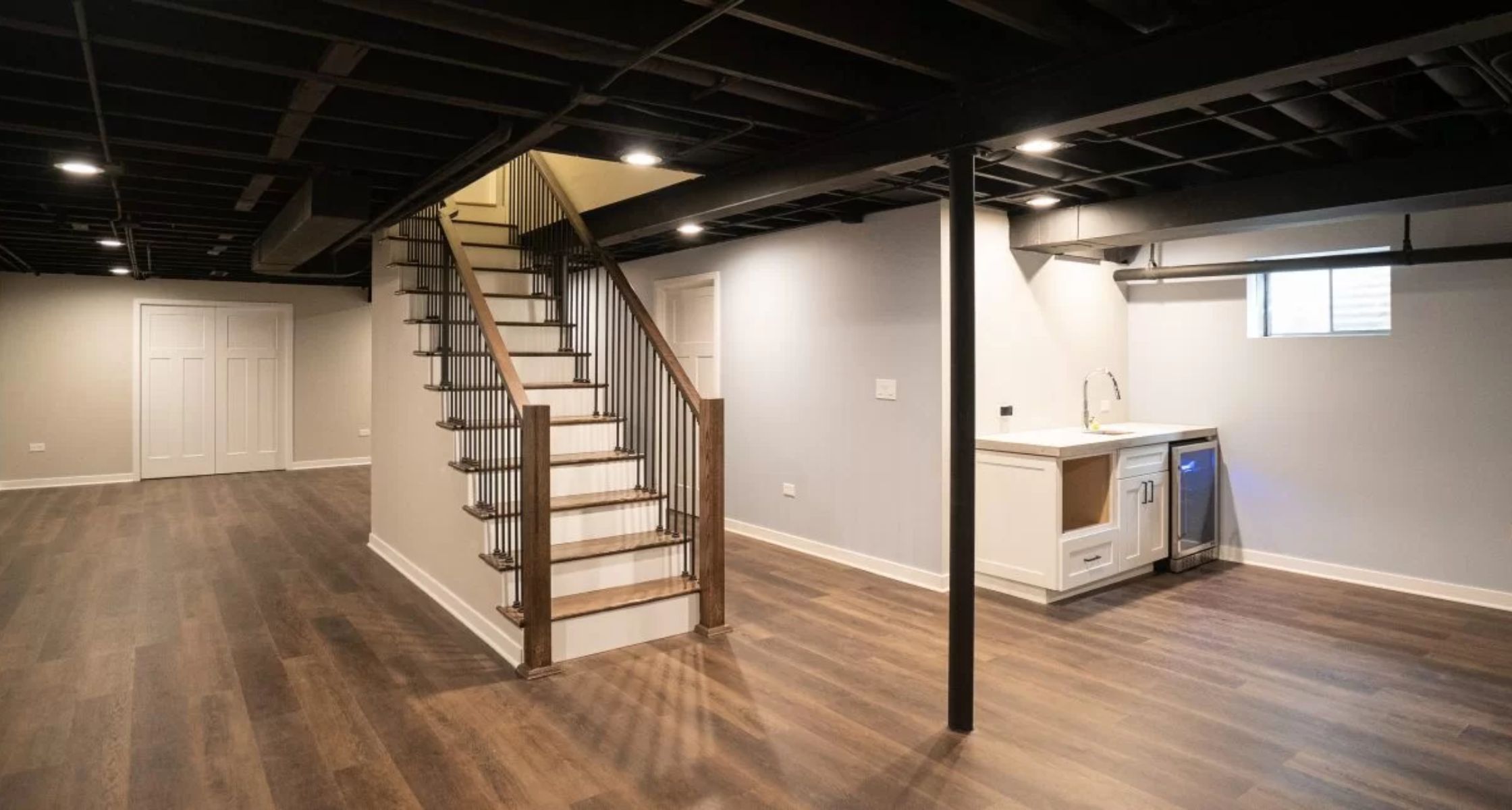
4. Flooring and Final Details
The right floor changes how cozy and useful your basement feels. Because concrete can feel chilly or wet, picking the right surface really matters.
Flooring Ideas Skip putting wooden floors or carpet underlays straight on the concrete. Go for these instead: Luxury vinyl plank stands out super tough handles moisture well also looks sharp. This pick works really well downstairs thanks to its strength and style combo. Engineered wood works on top of a subfloor though it doesn’t handle moisture as well as LVP. Carpet works well on top of a moisture resistant base keeping rooms cozy while cutting down sound. Pick tile style carpeting swapping out pieces is simpler when water damage happens. Epoxy coating works great in garages, fitness rooms or workspaces. It holds up well against wear while keeping water out.
Furniture helps reduce noise because basements often bounce sounds around. Try adding thick carpets along with foam tiles if you’re setting up a movie area or studio. A cozy vibe works better than a damp dungeon feel. Go for comfort without overdoing it.
Taking on a basement remodel in Canton GA means staying calm getting experts for plumbing and electrical work while focusing hard on keeping water out. Deal with dampness early, set up safe exit routes, pick rugged materials made for underground spots this way you’ll build cozy square footage your household can love long term.