
New Vision Remodeling Group LLC
Expert Deck Builders, Sunroom Contractors & Screened Porch Installation in North Georgia
Welcome to the home page of New Vision Remodeling Group, the premier deck contractor, and home improvement company!

About Us
Trusted Professionals
Welcome to the home page of New Vision Remodeling Group, the premier deck contractor, and home improvement company! Discover expert services, creative solutions, and unmatched expertise for all your decking and home improvement needs. Click here to explore your dream spaces now!
Our Services
Remodeling Done the Best Way Possible
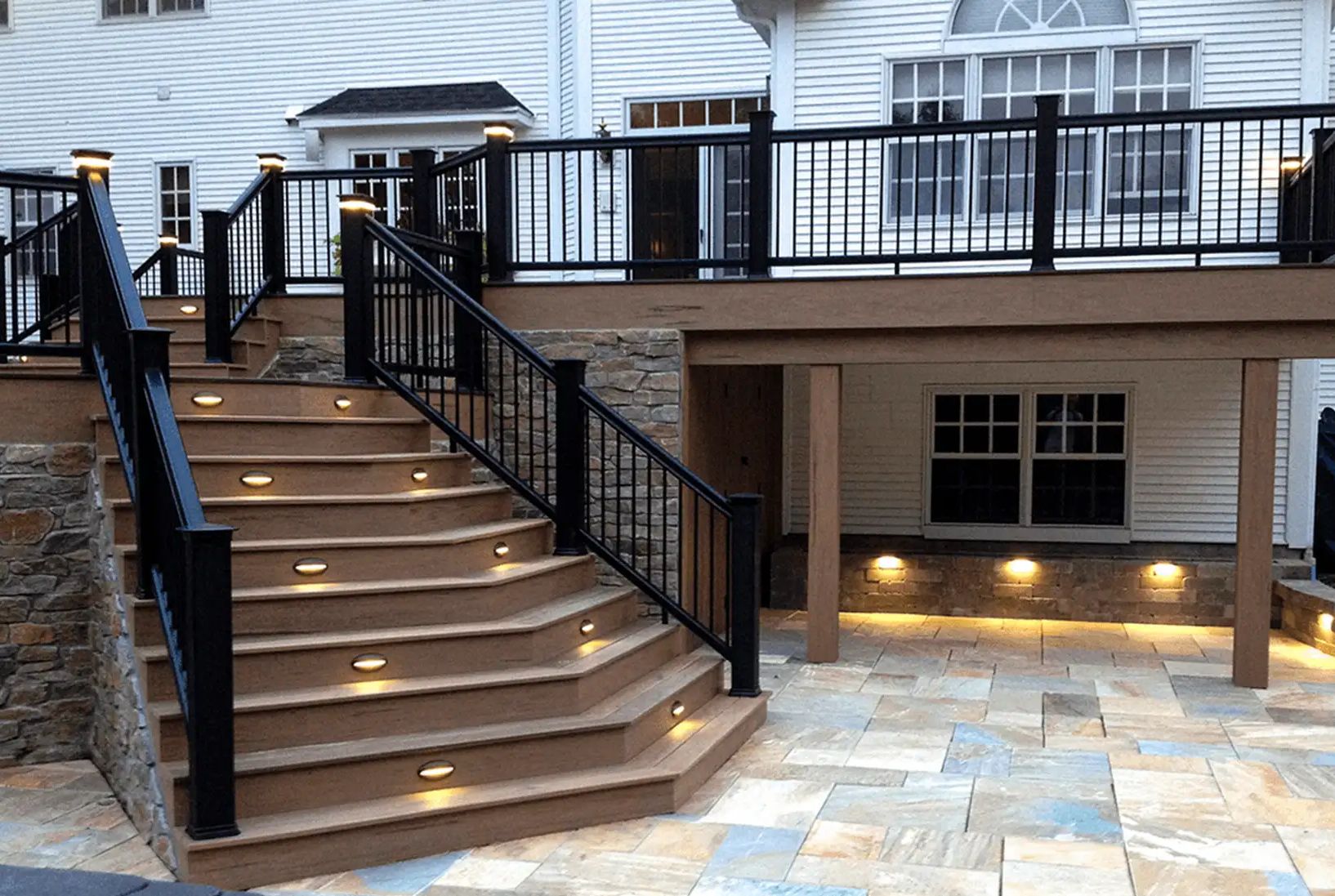
Deck Builder
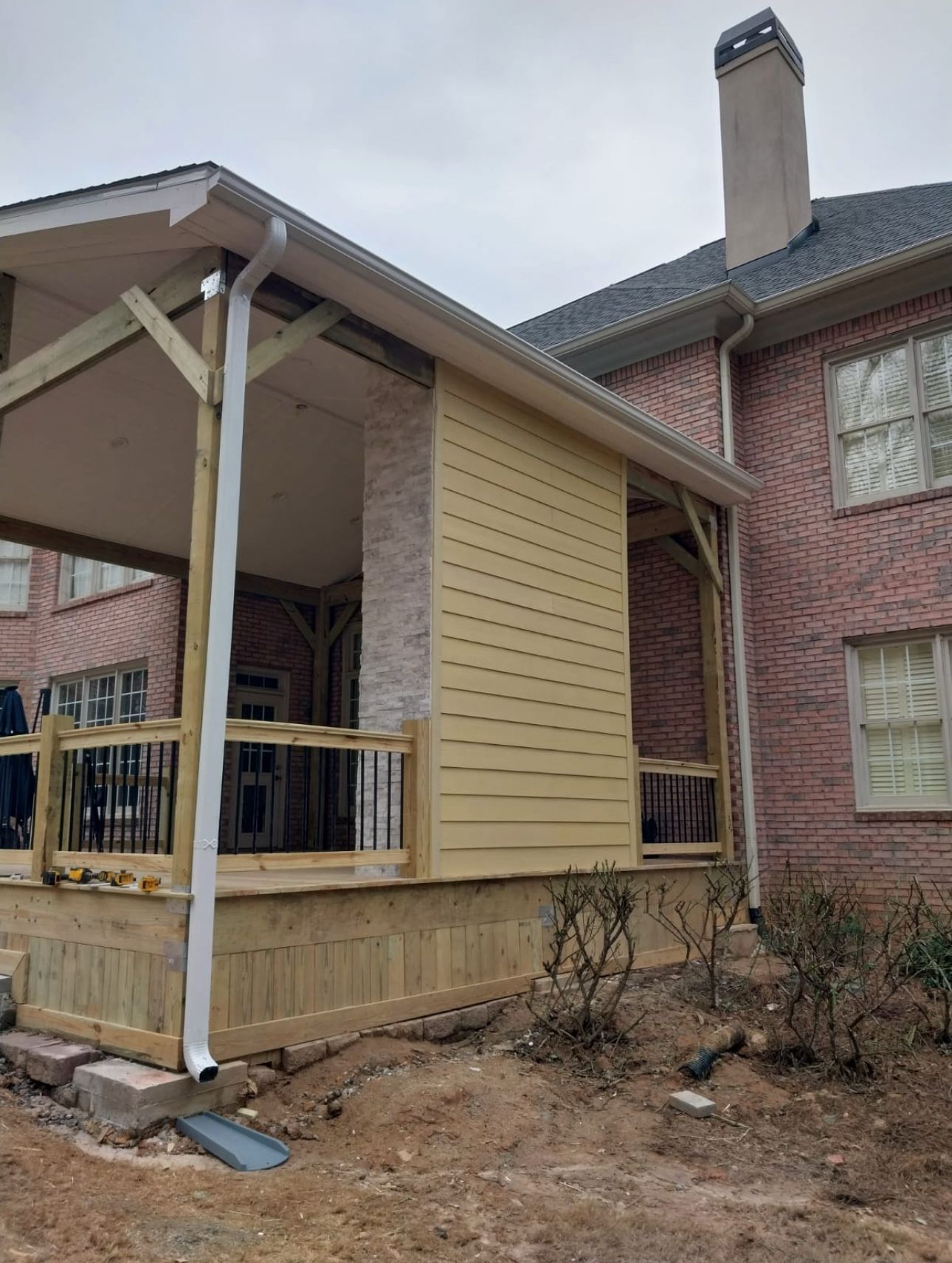
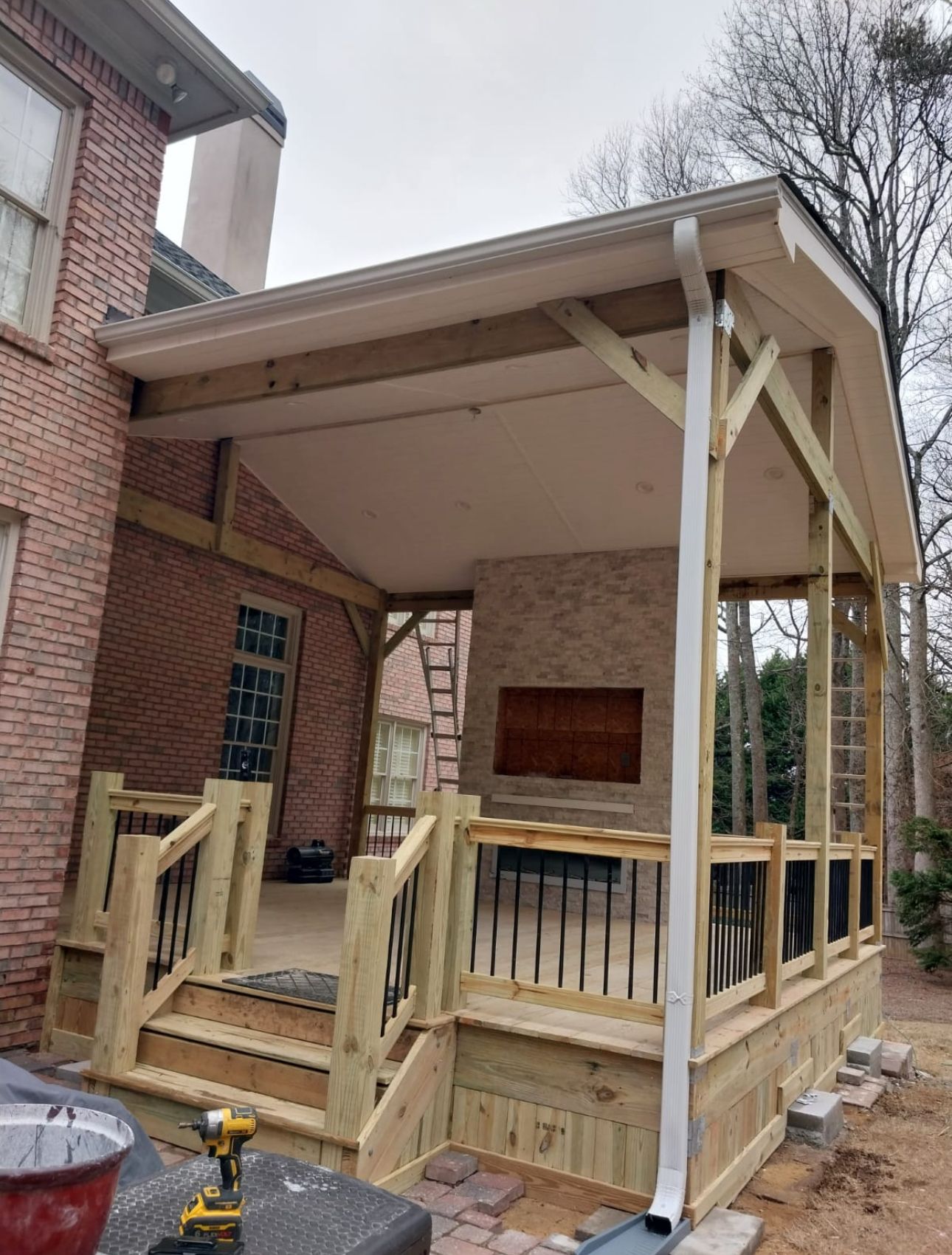
At New Vision Remodeling Group, we understand that your dream deck is a reflection of your unique style and taste.
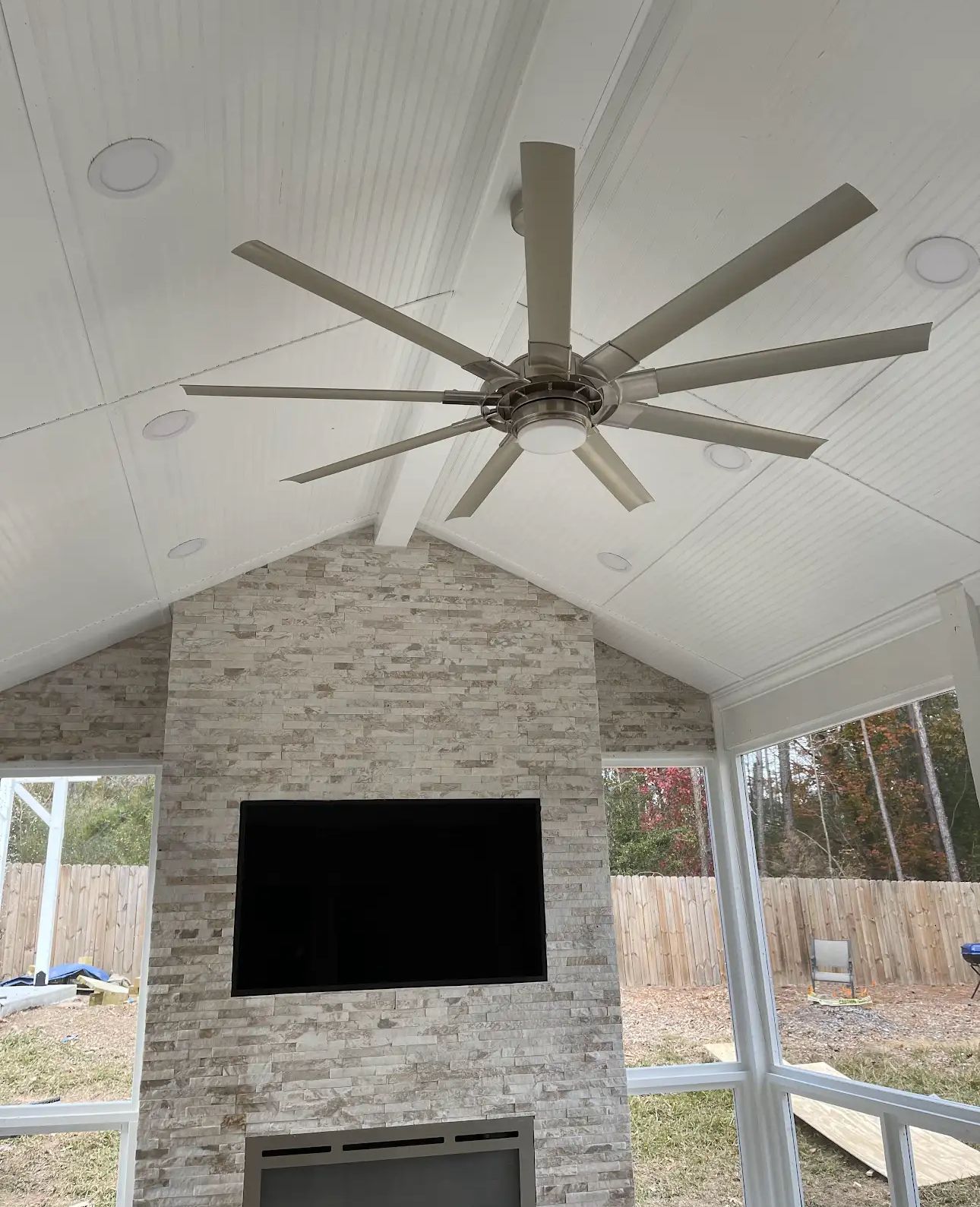
Screened porch
Beyond deck contracting, New Vision Remodeling Group offers comprehensive home improvement services to transform your entire home.
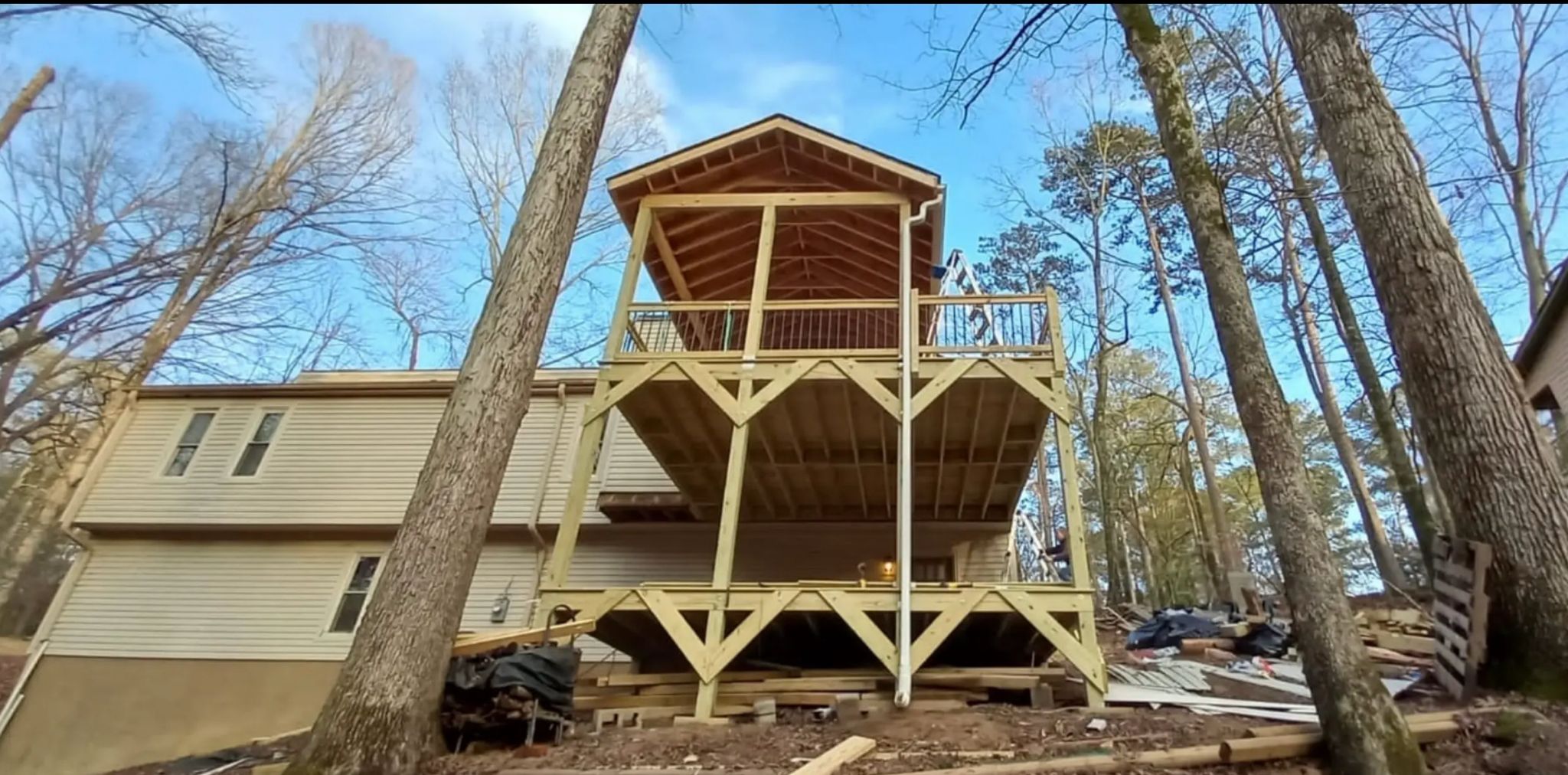
Double Pressured treated Deck
Enhance your outdoor space with durable pressure treated deck in Canton GA. Expert installation, long-lasting quality service.
Our Commitment to Quality and Customer Satisfaction
Looking for deck builders near me, professional sunroom contractors near me, or trusted screened porch contractors near me in North Georgia? New Vision Remodeling Group LLC is your premier choice for high-quality deck installation, sunroom additions, and screened porch construction throughout Cherokee County, Pickens County, Forsyth County, and Bartow County.
Our licensed and insured team specializes in creating durable, beautiful, and functional outdoor living spaces tailored to your lifestyle. From custom deck building to screened-in patios and sunroom installations, we handle every project with precision and care.
📞 Call us today at (470) 551-7118 for a free deck, sunroom, or screened porch estimate.
Deck Building & Deck Installation in North Georgia
Searching for a deck builder or deck contractors near me? Our team provides expert deck building services, including:
Custom deck installation for wood, composite, or premium materials
Multi-level and elevated deck construction
Deck railing installation, stairs, and built-in features
Deck repair, maintenance, and restoration
Transparent cost to build a deck estimates
Whether you need a small backyard deck or a large outdoor entertainment deck, our professional deck builders near me deliver results that combine beauty, safety, and durability.
Sunroom Contractors & Sunroom Installation
Enhance your home with a sunroom addition or new sunroom installation. If you’ve been searching for sunroom contractors near me, we provide complete sunroom builder services, including:
Three-season and four-season sunroom additions
Glass wall enclosures and insulated sunrooms
Sunroom installation with proper foundations, roofing, and finishing
Customized layouts and design to match your home
Detailed cost to build a sunroom estimates
A professionally installed sunroom increases your home’s value, provides extra living space, and allows you to enjoy natural light year-round.
Screened Porch & Screened-In Patio Services
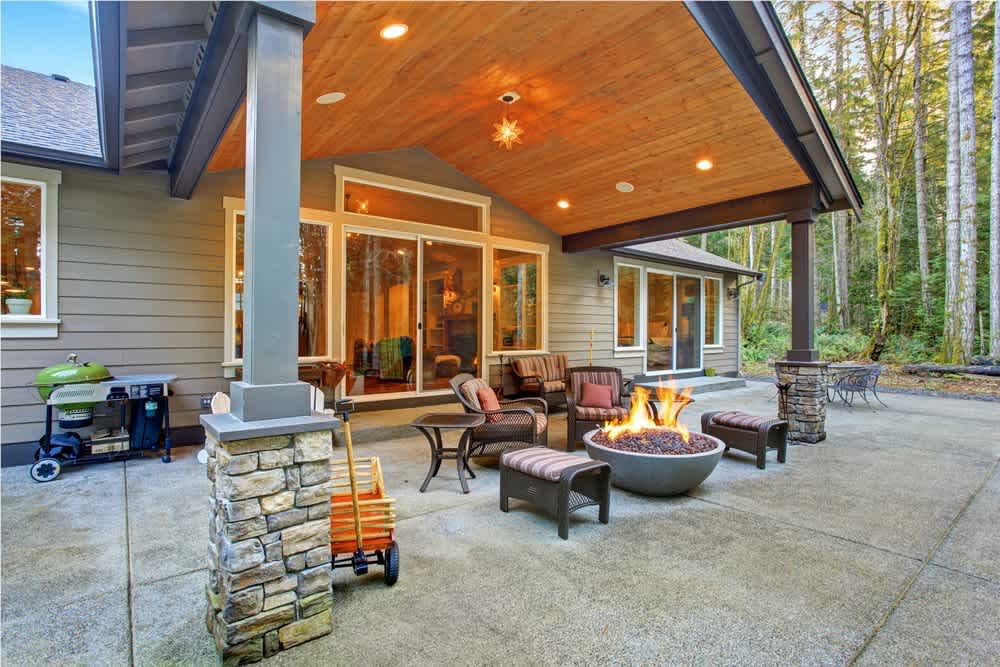
Enjoy the outdoors without the bugs with our screened porch installation and screen room addition services. If you’re searching for screened porch contractors near me, we specialize in:
Screened-in porch construction for new and existing spaces
Screened patios and porch conversions
Durable framing and high-quality screening materials
Seamless integration with your home’s exterior
Custom screen room additions tailored to your style
A screened porch is perfect for entertaining, relaxing, or creating a protected outdoor space that combines comfort and functionality.
Why Homeowners Choose New Vision Remodeling Group LLC
For over [X] years, homeowners in Cherokee County, Pickens County, Forsyth County, and Bartow County trust us for:
Licensed and insured deck builders, sunroom contractors, and screened porch installers
Professional deck installation and deck building services
Expert sunroom installation and sunroom addition projects
Reliable screened porch installation and screen room additions
Transparent pricing, clear cost to build a deck, and sunroom estimates
Personalized designs to match your home and outdoor space
We manage every project from concept to completion, ensuring your deck, sunroom, or screened porch is safe, functional, and beautiful.
Serving All of North Georgia
Our team proudly serves homeowners throughout North Georgia, including:
Cherokee County deck builders, sunroom contractors, and screened porch installers
Pickens County deck installation, sunroom addition, and screened porch services
Forsyth County custom decks, sunrooms, and screened-in patios
Bartow County outdoor living renovations, decks, and sunrooms
No matter where you live in North Georgia, we are your local experts for deck building, sunroom construction, and screened porch installation.
Ready to Transform Your Outdoor Space?
If you’re searching for:
Screened porch contractors near me
Transparent cost to build a deck or cost to build a sunroom
New Vision Remodeling Group LLC is your trusted partner in North Georgia.
📞 Call us today at (470) 551-7118 to schedule a free consultation and bring your dream deck, sunroom, or screened porch to life.
Testimonials
Positive Reviews From Our Customers
Posted on GoogleTrustindex verifies that the original source of the review is Google. I was nervous about starting a big deck project, but the crew made it so easy. They showed up on time every day and kept me updated throughout.Posted on GoogleTrustindex verifies that the original source of the review is Google. The team at Decks at Canton by New Vision Remodeling was amazing. They listened to my ideas, made helpful suggestions, and built exactly what I wanted.Posted on GoogleTrustindex verifies that the original source of the review is Google. Best prices for composite decks in Canton, GA. I must have spoken with over 20 different companies and this one was the best one by far. They were very professional, they were very responsive every time I would call, they were on time which was HUGE for me because of prior bad experiences which I'm sure some of you can relate to this. I HIGHLY Recommend New Vision.Posted on GoogleTrustindex verifies that the original source of the review is Google. I had my deck built by New Vision, they did a fantastic job and they gave me w deal I couldn’t refuse. My mew deck is Trex with beautiful handrails. I highly recommend.Posted on GoogleTrustindex verifies that the original source of the review is Google. I highly recommend this company, they did an amazing job on our screened porch, very well detailed, we went with composite deck boards.Posted on GoogleTrustindex verifies that the original source of the review is Google. “We looked around but ended hiring New Vision Remodeling, my wife chose a nice color with Trex composite deck and it came out beautiful. Lemay and his crew are very good at what they do”Posted on GoogleTrustindex verifies that the original source of the review is Google. We had our new composite deck in Canton built by new vision remodeling , they were very knowledgeable and fast.
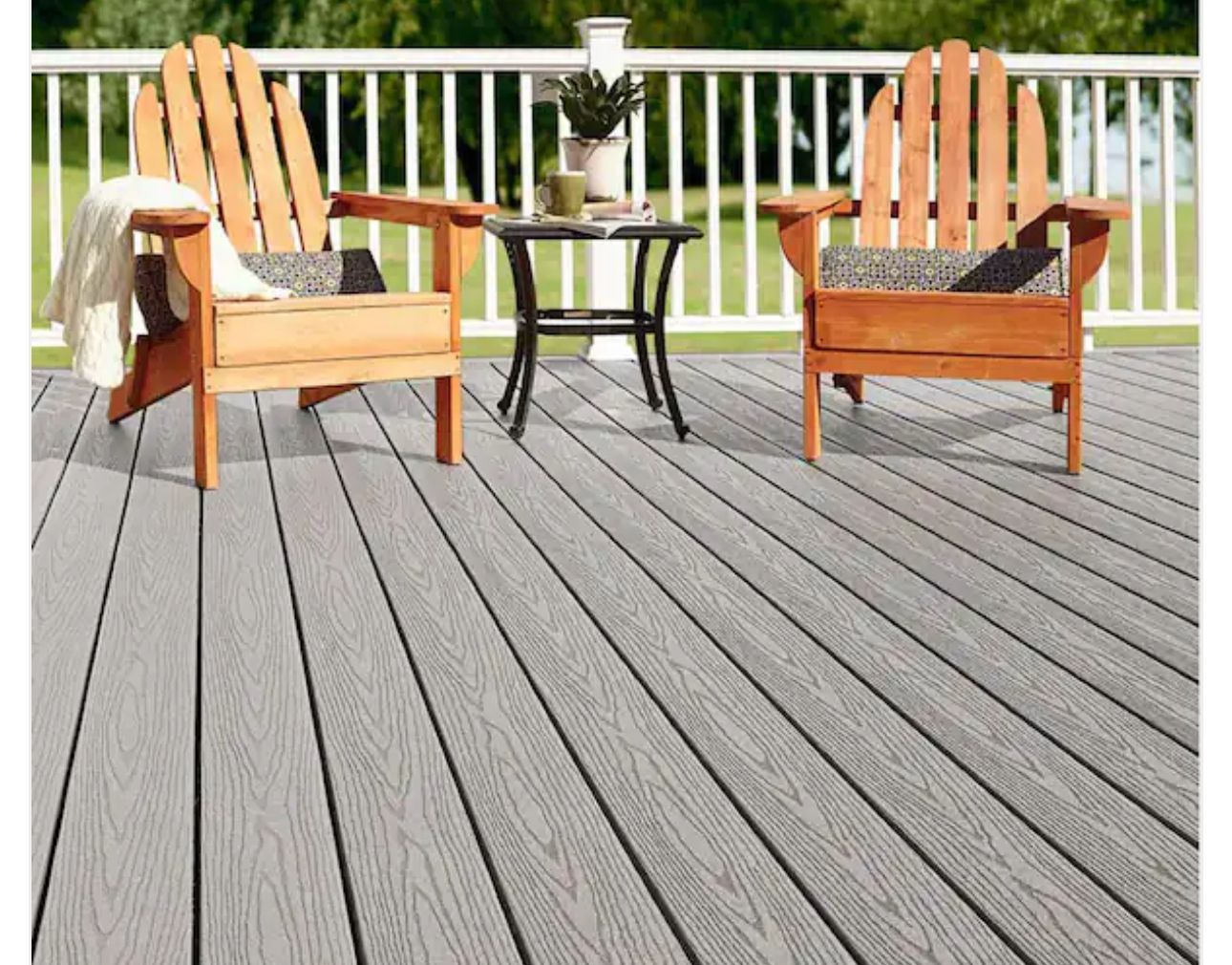
Get Started
Safeguard Your Home With Remodeling Services
Ready to protect and enhance your home? Get in touch with our remodeling experts today. We’re here to answer your questions, discuss your project, and provide the solutions you need to keep your home safe and beautiful.
- Contact Us